






Humble Lukanga’s Journey of Stewardship, Integrity, and Care

Building Wealth, Building Communities: The Emerging Developers Program for BIPOC Real Estate Leaders
Real estate development has long served as a powerful pathway toward wealth creation, influence, and community transformation—but BIPOC developers have historically faced limited access, systemic barriers, and a lack of industry entry points. The Emerging Developers Program (EDP) is working to change that narrative. Created to open doors for BIPOC developers and homeowners, EDP offers unparalleled education, mentorship, and practical resources designed to help participants turn property into prosperity—for themselves and for their communities. This program is not simply a course. It is a blueprint for economic empowerment, a launchpad for new developers, and a movement ensuring that the future of housing development includes the people most impacted by inequity. A Program Built for Aspiring and Advancing BIPOC Developers The Emerging Developers Program supports participants at all stages of their real estate journey. Whether individuals are new to development or currently managing projects, EDP equips them with the tools, strategies, and confidence needed to build careers in infill and single-family housing development. The program delivers: Virtual learning through an interactive Zoom-based experience A 3-month comprehensive curriculum, covering foundational principles through advanced development strategies A supportive community, including industry mentors and resources tailored to Black-led development firms Registration for Cohort 8 is coming soon, offering another opportunity for emerging developers to accelerate their skills and deepen their impact. As many graduates affirm, the Emerging Developers Program is transformative—providing knowledge and insights that empower participants to take on development projects they once viewed as out of reach.

For California entrepreneurs seeking an edge in the state procurement marketplace, certification through the California Department of General Services (DGS) remains one of the most effective ways to increase visibility, access contracting opportunities, and compete more fairly for government contracts. DGS’s Office of Small Business and Disabled Veteran Business Enterprise Services (OSDS) oversees certification for both Small Business (SB) and Disabled Veteran Business Enterprise (DVBE) designations — and understanding how to apply or re-apply is essential for business growth. What the SB and DVBE Certifications Do The SB and DVBE certification programs are designed to promote and increase participation by small businesses — including veteran-owned firms — in state contracting. Certification can help businesses: Appear in the official California certified vendor directory used by state agencies and prime contractors Be considered for direct contracting opportunities through the SB/DVBE Option Participate in solicitations with bid preferences or incentive programs Expand access to state procurement markets worth billions annually Certification also supports broader policy goals: California law calls for specific participation targets — such as a 3% DVBE participation requirement on many state contracts — and agencies seek to maximize involvement from certified firms. Who Qualifies for SB and DVBE Certification Small Business (SB): To qualify as a certified small business in California, a firm must be independently owned and operated, meet state revenue size standards, and have its principal office in California. For most SB applications, average gross annual revenues over the previous three years must fall below the threshold defined for the business’s industry category. Disabled Veteran Business Enterprise (DVBE): DVBE certification is specifically for businesses owned by disabled veterans. To qualify, the business must meet several requirements: At least 51% owned by one or more disabled veterans Disabled veteran(s) must be actively managing and controlling the day-to-day operations and decision-making The veteran(s) must have a service-connected disability as verified by the U.S. Department of Veterans Affairs (typically at least 10% disability) The firm’s home office must be located in the U.S. and properly registered to do business in California For certain business structures such as LLCs, the entity may need to be wholly owned by qualifying disabled veterans These requirements, set out in DGS’s certification criteria, ensure that only legitimate disabled veteran-owned businesses receive DVBE certification and access to corresponding opportunities. How to Apply or Re-Apply 1. Register on Cal eProcure All certification applications are submitted through Cal eProcure — California’s online procurement portal. Businesses must first create or update their profile on the system before beginning the certification process. 2. Complete the Certification Application Once registered, log in to Cal eProcure and navigate to the Small Business/DVBE services section. Select the appropriate certification type — SB, DVBE, or both — and complete the questionnaire. Applicants need to provide documentation supporting ownership, structure, financials, veteran disability status, and control of the business. 3. Upload Required Documentation Required attachments typically include tax returns, ownership agreements, veteran disability verification (e.g., VA award letter), government-issued IDs, and other supporting evidence. Ensuring files are complete and clearly labeled reduces processing delays. 4. Submit and Monitor Status After submission, the Office of Small Business and DVBE Services reviews the application. Processing times vary but generally range from a few weeks to a couple of months depending on workload and completeness of the submission. 5. Renew on Time Certification is typically valid for two years and must be renewed before expiration. Re-application requirements mirror the initial application process, and businesses should begin renewal well before their current certifications lapse. Why Certification Still Matters For many California vendors, SB and DVBE certifications unlock opportunities that would be difficult to access otherwise. Certified firms are more likely to be considered for: State agency contracts and solicitations that prioritize or require certified vendors SB/DVBE Option contracts , where state agencies can award directly to certified firms Prime contractor subcontracting goals , particularly for DVBEs Educational and outreach events that connect vendors with buyers and procurement professionals Certification also supports compliance with state procurement goals — such as the minimum DVBE participation rate of 3% in many solicitations — meaning agencies and primes actively seek certified DVBEs as part of responsible bidding. Getting Support and More Information The DGS Office of Small Business and DVBE Services offers outreach, training, and assistance to help applicants successfully navigate the certification process. You can contact the office at (916) 375-4940 or via email at OSDSHelp@dgs.ca.gov for help with applications, renewals, or understanding program requirements. Whether you are applying for the first time or renewing your SB/DVBE certification, completing the process through Cal eProcure positions your business to compete more effectively in California’s public procurement landscape. Certification opens doors — and in an increasingly competitive market, having that verified status can make a decisive difference

Entrepreneurs aren’t simply people with ideas—they’re people who act on them. They take what others only imagine and turn it into something real, tangible, and transformational. But what actually makes someone able to turn talent into income, purpose into business, and vision into results? There are patterns—and powerful ones. Entrepreneurship is not only about hustle; it’s about mindset, discipline, and the willingness to evolve. And while everyone’s journey looks different, the most impactful entrepreneurs share certain traits that guide their decisions, shape their growth, and fuel their purpose. These are traits you can learn, strengthen, and embody—regardless of where you are right now. Here are 8 traits successful entrepreneurs share—especially those building something bigger than themselves. 1. Collaboration No entrepreneur succeeds alone. The most effective builders seek counsel, form partnerships, exchange ideas, and invite expertise. They don’t pretend to know everything—their strength comes from being surrounded by people who make them better. They understand that relationships are a form of capital. They know that when they share ideas, they multiply opportunities. Success multiplies when relationships multiply. 2. Purpose and Personal Fulfillment Entrepreneurs value more than profit—they value meaning. They want freedom of time, creativity, and impact. They love doing work that feels aligned with who they are. They take joy in turning passion into profit and purpose into enterprise. To them, work isn’t just a job—it’s an expression of identity and contribution. They don’t just create businesses—they create lives they’re proud of. 3. Future Focus True builders see beyond today. They plan for tomorrow. They pay attention to trends, opportunities, and the changing needs of the marketplace. They think long-term about growth, sustainability, and legacy—not just next month’s sales. They aren’t simply managing their business—they’re architecting the next chapter of it. They’re not just working in their business—they’re building the future of it. 4. Curiosity and Continuous Learning Entrepreneurs are students of life. They ask questions, challenge assumptions, study patterns, and learn from other people’s failures and successes. They take calculated risks instead of standing still. They are constantly evolving because they are constantly learning. Curiosity is fuel. 5. Tech Confidence Technology is the new marketplace. Today’s entrepreneurial success requires digital courage. Websites, AI tools, email marketing, automation, social media—these are not optional. They are baseline tools for building visibility, trust, and revenue. Successful entrepreneurs don’t wait until they’re experts—they figure it out on the way. They grow as technology grows. 6. Action Orientation Entrepreneurs act. They execute. They move. They don’t wait for perfect timing or ideal circumstances. They take imperfect action and correct along the way. They know obstacles are part of the journey, not evidence they should quit. Forward motion beats flawless planning. 7. A Positive, Possibility-Focused Mindset Entrepreneurs see problems—but they also see potential. They approach challenges with enthusiasm and determination. They believe in solutions even when obstacles appear overwhelming. Their mindset inspires others. Their energy fuels momentum. They bring belief into rooms where doubt tries to dominate. Their belief is contagious. 8. Imagination and Vision Einstein said imagination is more important than knowledge—and entrepreneurs prove it. They see what others can’t yet see. They dream bigger than their circumstances. They envision futures that don’t exist yet and start building them piece by piece. They dream boldly, plan bravely, and act courageously. Vision creates movement—and movement creates opportunity. Entrepreneurship isn’t only a skill—it’s a mindset, a perspective, and a commitment to grow. These traits aren’t reserved for a chosen few. They can be developed, practiced, and strengthened. You don’t have to start with everything. You just have to start with belief. And belief—combined with action—builds everything else.

When Thasunda Brown Duckett stepped into the role of president and CEO of TIAA, she wasn’t simply taking the helm of a financial institution—she was stepping into a national calling. Her leadership has consistently focused on expanding access, strengthening financial confidence, and ensuring that everyday people can retire with dignity. Now, she has been named to American Banker’s “Most Powerful Women in Finance” list—an acknowledgment of her bold leadership and her determination to make wealth-building attainable for every working American. Changing How America Retires When TIAA launched an IRA product designed to broaden access to lifetime income, the stock market was having one of its most volatile days. Investors were rattled, headlines were uncertain—but to Duckett, the moment only validated the importance of guaranteed income. “Guaranteed income isn’t a luxury—it’s a necessity,” she said, emphasizing that Americans deserve stability that isn’t dependent on market turbulence or economic swings. Her message is clear: security shouldn’t depend on timing—it should be built into the system. Expanding Access to Lifetime Income Duckett has led TIAA through major expansions, including entering the corporate 401(k) space—moving beyond its traditional base of nonprofit and university employees, and opening doors for millions more workers. With nearly half of Americans at risk of running out of money in retirement, she has called retirement security “a national imperative,” pushing the conversation from policy circles into living rooms, workplaces, and communities that often feel unprepared for the future. Public policy is responding. Nearly 20 states have introduced legislation to expand access to retirement plans, while national lawmakers consider automatic re-enrollment for workers who fall out of savings. Under Duckett’s leadership, TIAA is positioned not just to participate in these changes, but to drive them. Innovation With Purpose Duckett’s commitment to access extends to technology and partnerships. TIAA has invested in Vestwell, partnered with major recordkeepers, and launched a proprietary generative AI platform—TIAA GAIT—to empower its teams with faster insights and stronger decision-making tools. She isn’t just modernizing systems—she’s modernizing people. Through training initiatives like the Guild Network, thousands of employees are building new skills in technology and business processes, preparing the organization for a future shaped by AI. For Duckett, innovation isn’t about disruption—it’s about dignity, confidence, and opportunity. Leadership Beyond Wall Street Duckett recently joined a group of investors purchasing a minority stake in the WNBA’s New York Liberty—extending her influence into sports, culture, and representation. As a former student athlete, she believes athletics build leadership and community—not just championships. Her philanthropic work through the Otis and Rosie Brown Foundation continues this mission, celebrating everyday excellence and supporting families, students, and communities with access to education and opportunity. “Extraordinary is everywhere,” she says, “especially among those who create opportunities for others.” Lessons Emerging Leaders Can Learn 1. Access is power Duckett’s leadership proves that expanding access expands possibility. 2. Dignity belongs in financial discussions People deserve systems that support their future—not fear about it. 3. Innovation must include inclusion Technology should lift people, not replace them. 4. Leadership is service Real leaders build pathways so others can rise. A Leader Changing the Narrative Thasunda Brown Duckett is not simply leading an institution—she is reshaping how our nation prepares for the future. Her work reminds us that financial empowerment is not only about wealth; it’s about dignity, equity, and the chance to live a full life long after work ends. Her recognition is well deserved—but the true win is what it means for generations who will retire stronger because she decided to lead with vision, courage, and purpose. And that is the kind of leadership that transforms lives.
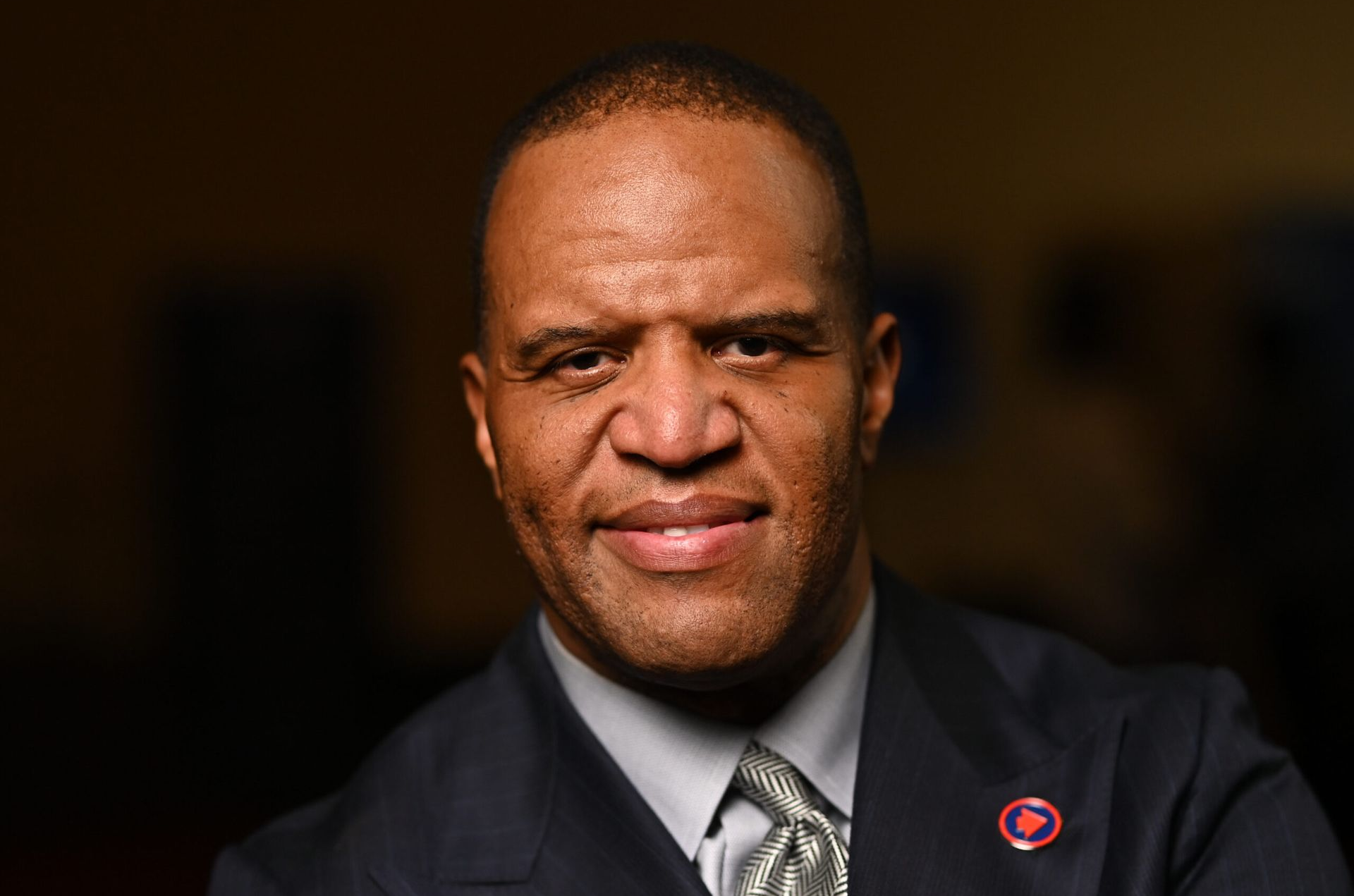
John Hope Bryant is more than a financial literacy advocate—he is a movement-builder reshaping how we think about wealth, possibility, and what it means to lead with purpose. As the founder of Operation HOPE, Bryant has devoted his life to strengthening underestimated communities through access, education, and economic confidence. What sets his work apart is how he frames financial literacy—not as a technical skill, but as a tool for freedom. He bridges the distance between boardrooms and barbershops, between Wall Street and Main Street, connecting public policy with neighborhood transformation. And in everything he does, he reminds us that real change requires vision, courage, and a refusal to accept the limits others set for us. Here are seven powerful lessons emerging leaders, community builders, and economic innovators can learn from his example: 1. Economic Confidence Is the New Civil Rights Movement Bryant expands the conversation about justice. He insists that true freedom must include financial access, opportunity, and the ability to build generational wealth. Equity isn’t simply equal treatment—it’s equal access to possibility. 2. Poverty Isn’t a Character Flaw—It’s a Lack of Access Instead of blaming individuals, Bryant challenges the systems. Most people don’t fail because they lack ambition—they fail because they lack a roadmap. His answer? Bring banking into communities, treat credit like a language, and restore financial dignity where it’s been denied. 3. Don’t Just Identify What’s Broken—Build What Works Bryant doesn’t only critique injustice—he creates solutions. From HOPE Inside offices in banks and city halls to financial literacy programs in underserved schools, he demonstrates how big ideas become systems that scale and transform lives. 4. Capital Flows to Confidence People need knowledge, yes—but they also need belief. Bryant teaches that when individuals feel empowered, they start businesses, save money, and advocate for themselves. Financial literacy becomes a foundation for self-worth, agency, and momentum. 5. Uplift the Person, Transform the Ecosystem Bryant understands that helping one individual isn’t enough. Systems must evolve. By engaging with banks, schools, employers, and local governments, he fosters change that becomes sustainable because it’s embedded in the infrastructure—not dependent on personality or charity. 6. Lead with Hope and Strategy—Not Shame Bryant leads with dignity. He speaks possibility. He teaches financial principles without judgment—whether someone has ten dollars or ten million. His approach blends compassion with clarity, reminding us that real empowerment comes through understanding, not accusation. 7. Believe in the Power of Untapped Potential Perhaps most importantly, Bryant’s life shows what becomes possible when someone refuses to accept limitation. His work affirms that being underestimated doesn’t mean unqualified—it means overlooked and full of possibility. He sees potential not as a theory, but as an investment worth cultivating. John Hope Bryant reminds us of a truth we often overlook: transformation rarely starts from the top—it begins wherever someone decides to believe differently. His message is clear—people don’t need saving; they need opportunity. And when we shift how we think about money, power, and possibility, we unlock something deeper than profit: we create pathways for families and communities to rise, together.

When Venus and Serena Williams stepped onto a tennis court decades ago, they didn’t simply play the game—they changed it forever. With every serve, every championship, and every barrier broken, they reminded the world that greatness refuses limitation and does not wait for permission. Now, they’ve made history once again—this time not in Wimbledon whites, but in ownership seats and billion-dollar boardrooms. Venus and Serena are the first Black women to own a stake in an NFL franchise , becoming investors in the Miami Dolphins—currently valued at more than $4.6 billion. This moment isn’t just a headline. It’s a statement. About possibility. About access. And about the evolving definition of leadership. From Courtside to Boardroom NFL ownership has historically been inaccessible to women—especially Black women. For two sisters who grew up in Compton, shaped by discipline, resilience, and unwavering belief, to sit at that table is monumental. This move signals more than participation—it signals transformation. They’re not just influencing sports on the field; they’re positioning themselves in the rooms where media, revenue, strategy, and power are negotiated. This is what it looks like when leadership moves from being the face of a sport to being architects of its future. Impact doesn’t retire. It reinvents itself. The Legacy They Continue to Build Venus and Serena have always been more than athletes. Their lives reflect a portfolio of brilliance—fashion, venture capital, wellness, philanthropy, and storytelling. Their investment in the Dolphins fits a pattern: they don’t simply enter industries; they elevate them. They didn’t just show the world what excellence looks like. They are showing the world what ownership looks like. And in their footsteps, a new generation is learning that greatness isn’t confined to a profession—it’s expressed through every arena you dare to enter. Lessons From the Williams Way Their journey offers timeless principles for emerging leaders, innovators, creators, and community-builders: Play with power and plan with purpose. Whether on the court or in corporate negotiations, every step reflects intention. Diversify your legacy. Mastery in one space is the beginning—not the destination. Representation is a form of leadership. When we see it, we believe it is possible. Ownership is influence. And influence shapes culture, economics, and opportunity. Not Just First—Foundational Venus and Serena aren’t simply breaking records; they’re building a new frontier—one where Black women take their rightful place as investors, leaders, and owners in one of America’s most powerful institutions: the National Football League. The Williams sister have always played to win. Now, they are playing to lead. And if history has taught us anything, it’s this: when the Williams sisters step forward, they don’t just open doors—they leave them open for everyone coming behind them.
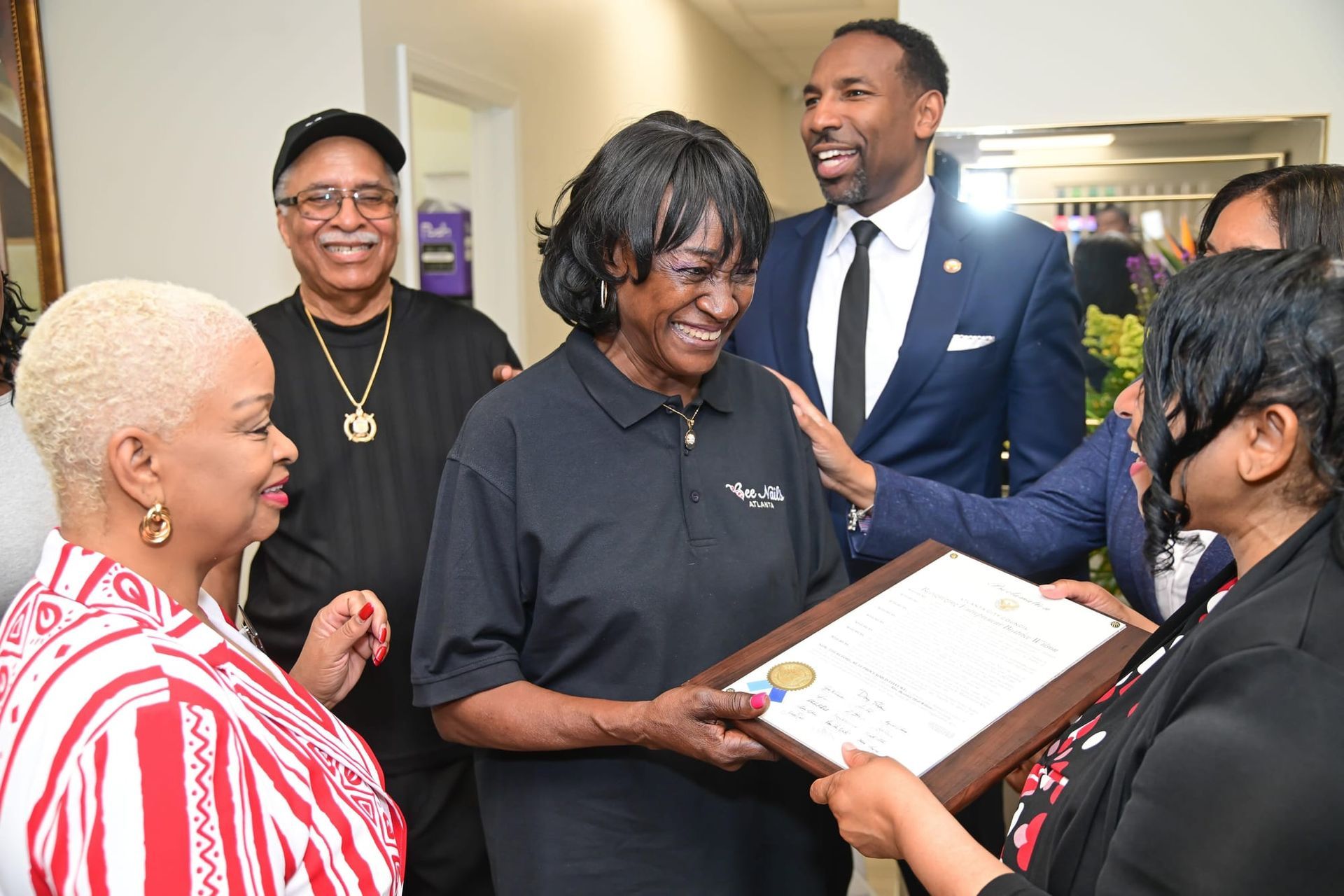
Beatrice Wilson is living proof that purpose doesn’t expire. At 80 years old, the metro Atlanta entrepreneur just opened her eighth business—a vibrant new nail salon called Bee Nails — nestled on Martin Luther King Jr. Drive. With each ribbon cut and door opened, she’s not just running a business—she’s building a legacy. A former employee at local car dealerships, Wilson didn’t find her stride until later in life. After completing nail school, she struggled to land a job in an industry that too often overlooks women of a certain age. But instead of shrinking back, she bet on herself—launching her first salon when no one else would give her a chance. Since then, she’s built and sold seven s uccessful salons across metro Atlanta. She retired in 2021, but as Wilson puts it, "You’re never too old. It’s never too late to follow what you love doing." So when the calling returned, she answered—with grace, courage, and a plan. Her newest venture, Bee Nails, is her biggest yet. Thoughtfully designed with warm tones and a welcoming atmosphere, the salon was created with the Adamsville neighborhood in mind—a space meant to be as nurturing as it is stylish. The grand opening drew applause and affirmations, with Atlanta Mayor Andre Dickens and City Councilmember Andrea Boone in attendance. Wilson, moved to tears by the support, reflected on the journey: “It’s very heartwarming for me… I’m just excited.” But beyond the buzz, Wilson’s story teaches us something deeper: You can pivot at any age. Barriers can be the birthplace of bold ideas. Service to your community adds meaning to success. Beatrice Wilson didn’t just build businesses—she built a life anchored in purpose, connection, and determination. Her journey is a reminder that innovation lives in action—and sometimes the most powerful moves are made long after others stop trying. Cover Photo: Beatrice Wilson Opens Her Eighth Business at Age 80 Photo Credit: 11 Alive
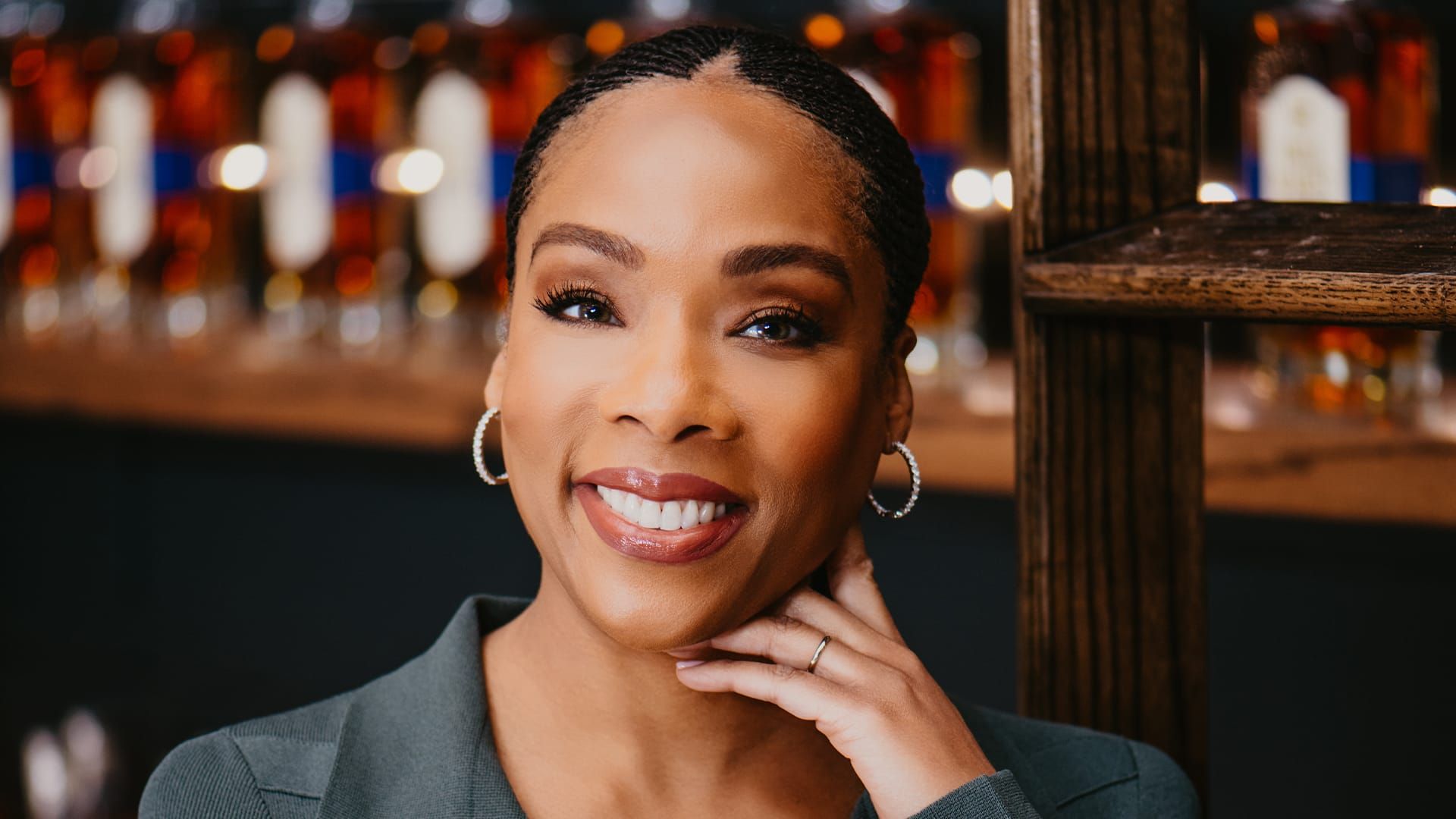
Some companies chase market share; others chase meaning. And then there are rare brands that change what we believe is possible—by honoring history, elevating community, and building with intention. Uncle Nearest Premium Whiskey, founded in 2017 by serial entrepreneur and author Fawn Weaver, has done exactly that. In just a few short years, it has reached a jaw-dropping milestone: a $1.1 billion valuation —a level few brands ever achieve, especially one rooted in restoring the legacy of a Black innovator history nearly erased. This is more than a business success story. It’s a story of restoration, courage, and excellence. A Legacy Restored Uncle Nearest honors Nathan “Nearest” Green—the master distiller who taught Jack Daniel the craft. His contribution was hidden for generations, but Weaver made it her mission to put his name where it always belonged—front and center, in history and on every bottle. And the results speak loudly: Uncle Nearest is now the fastest-growing American whiskey brand in history , reshaping the identity of an industry that rarely reflected the pioneers who built it. Numbers That Tell a Bigger Story In seven years, Uncle Nearest has: expanded into 30,000+ venues across 12 countries built a 432-acre distillery experience in Tennessee tripled sales since 2021 projected $100M in revenue in 2024 These aren’t just business milestones— they’re cultural statements. When legacy meets leadership, markets take notice. Built on Purpose, Backed by Performance At the center is founder Fawn Weaver—a visionary leader who combined emotional intelligence, historical truth-telling, and world-class execution. She didn’t build a whiskey company. She built a movement. Her team reflects that mission, with women and people of color leading across the organization—making it one of the most inclusive leadership models in the spirits industry. Every bottle is a message: Black excellence has always existed—now we must recognize it. Lessons Emerging Entrepreneurs Can Apply Uncle Nearest offers timeless wisdom for anyone building something meaningful: Honor the past. Truth builds trust—and trust builds brands. Build with integrity. Excellence is a decision, one detail at a time. Scale with purpose. When your mission is clear, momentum follows. Lead courageously. It takes vision to correct a narrative—and courage to tell the truth beautifully. A Toast to the Future. What started as a tribute has become a global powerhouse. And the story is far from over. With an expanding footprint, generational impact, and a billion-dollar valuation, Uncle Nearest is proving something powerful: You can build legacy while rewriting history—and claim your place in the future at the same time. In a marketplace full of noise, this brand reminds us that authenticity beats hype, and excellence—real excellence—never fades. For everyone building something with cultural meaning and global ambition, let this be your proof: You don’t have to choose between honoring the past and shaping the future. You can do both—brilliantly.

Magic Johnson Enterprises (MJE) has entered a transformational moment in its legacy of community-centered entrepreneurship: Alexia Grevious Henderson has been named President of Magic Johnson Enterprises. Her appointment is more than a new title—it signals a generational shift toward leaders who understand that wealth-building and community uplift are inseparable. This is leadership rooted in excellence and guided by purpose. A Leader Built for Impact Henderson joined MJE in 2017 and has quietly become one of the strategic minds shaping partnerships, elevating brand influence, and expanding the economic reach of MJE’s mission. Rising from Senior Manager to Vice President—and now President—she has proven herself not just capable, but catalytic. As Vice President of Strategic Partnerships and Marketing, she led: major corporate collaborations global brand partnerships campaigns that expanded MJE’s economic influence Under her leadership, MJE has strengthened its identity as a vehicle for community-driven growth and long-term economic empowerment. Magic Johnson summarized it best: “Alexia is one of the brightest young minds in business today. Her leadership and creativity have elevated our brand, our partnerships, and our mission.” A Career Anchored in Purpose Before joining MJE, Henderson built foundational experience with the Washington Commanders and the NCAA. Her work has been nationally recognized, including being named: Sports Business Journal’s “30 New Voices Under 30” Diverse Representation’s “Top Ten to Watch” Beyond her corporate success, she serves on the board of A.Bevy, helping young adults find direction, identity, and purpose—an example of leadership that extends beyond the office and into the lives of future innovators. A Historic Representation Moment Henderson’s presidency represents a breakthrough for: women stepping into major corporate leadership Black leaders shaping national investment strategy the next generation building wealth, ownership, and opportunity This moment proves something powerful: future-focused leadership doesn’t just inherit legacy—it expands it. Rooted in Community, Positioned for Global Impact Originally from Fort Mill, South Carolina, Henderson earned her degree from Clemson University and an MBA from Pepperdine University. Today she calls Los Angeles home—a city where entrepreneurship, culture, and economic innovation converge. She now stands at the intersection of legacy and next-generation leadership—continuing a mission that impacts both boardrooms and neighborhoods. About Magic Johnson Enterprises: Founded by Earvin “Magic” Johnson, MJE is a diversified investment company advancing opportunities across entertainment, sports, real estate, technology, and more—always with an eye toward access, ownership, and community prosperity. Its mission continues to demonstrate a powerful truth: When communities gain access, communities gain power.And when we elevate leaders who carry that purpose forward, we don’t just witness change - we build the future.
stay up to date
get path's latest
Receive bi-weekly updates from the church, and get a heads up on upcoming events.
Contact Us